Your Passport Must Outlive Your J‑1 by 6 Months—or Your Trip Gets Canceled
We expose the passport‑expiration traps that blow up J‑1 and working‑holiday applications at the last minute. Most guides gloss over the six‑month rule, leaving students stranded with non‑refundable fees.
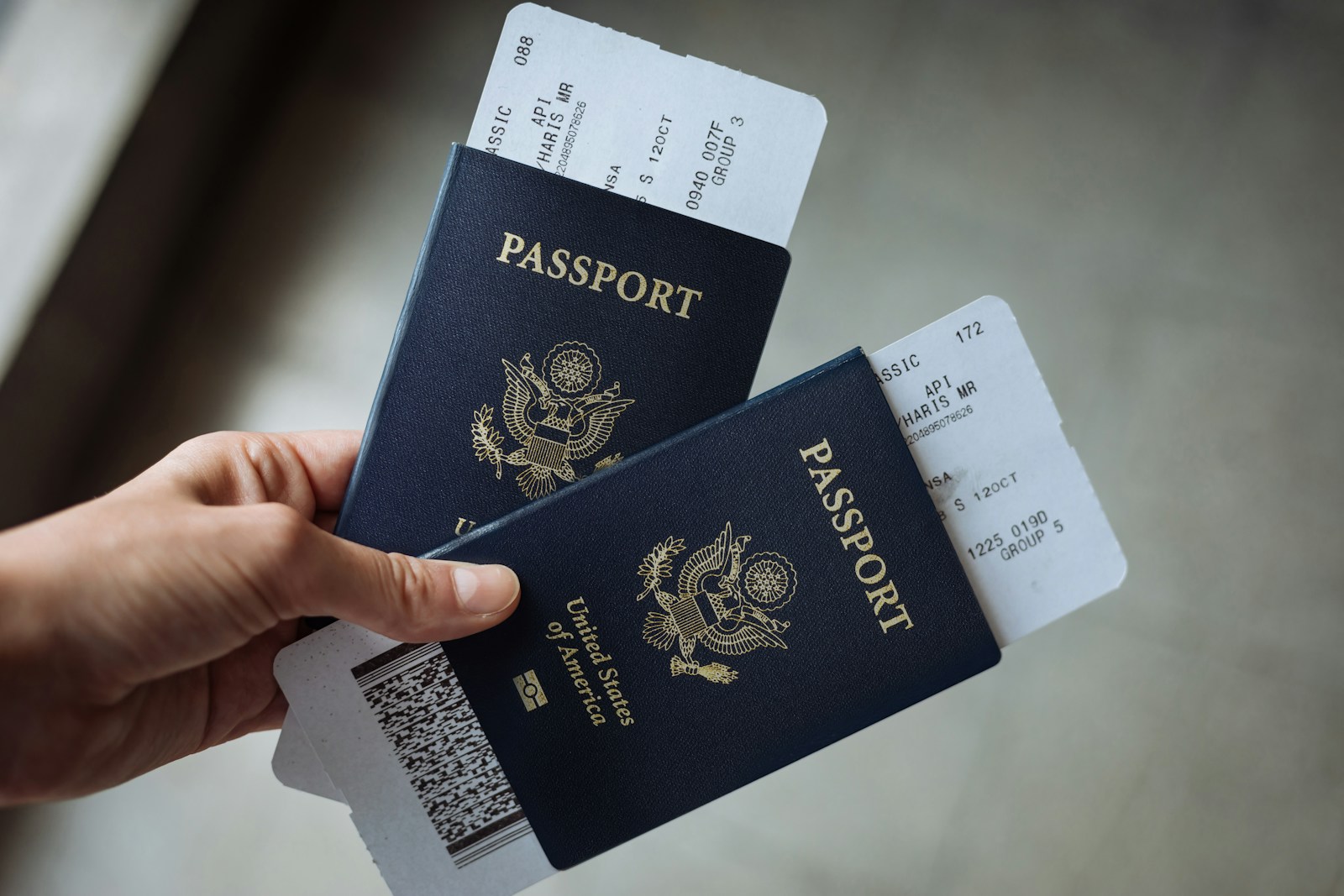
Imagine you’ve just paid the SEVIS fee, booked a cheap flight to Sydney, and your sponsor has emailed the DS‑2019, only to discover the airline refuses boarding because your passport expires in four months. That single oversight can erase months of paperwork, cost you an extra $200‑$500 for an urgent renewal, and force you to cancel a program that already cost you $1 200 in placement fees.
Most first‑time J‑1 participants assume any valid passport will do, but the United States, Canada, Australia, New Zealand, and Ireland all enforce a “six‑month after departure” clause. The rule isn’t a suggestion; it’s printed on the visa‑application forms and echoed in the airline’s check‑in system. If your passport’s expiration date falls within that window, the carrier will flag you as a “non‑compliant traveler” and deny boarding without a second chance.
When you hand your passport to a sponsor, they run a quick algorithm that checks the expiry against your intended return date. The software flags any entry that fails the six‑month test, and the sponsor must either reject the DS‑2019 or request a new passport before issuing paperwork. In practice, many sponsors push the deadline to the last minute, hoping you’ll overlook the rule until you’re already at the airport.
That moment of panic often lands you on a government website trying to book a renewal appointment. In the United States, standard processing takes six to eight weeks; in Australia, you might wait four weeks for a regular renewal. The problem compounds when you’re a student on a semester break with a fixed program start date—any delay forces you to request a sponsor’s “re‑issue” fee, which can range from $150 to $400 depending on the organization.
Sponsors rarely absorb the cost of a re‑issued DS‑2019 because the paperwork they already generated becomes obsolete. Instead, they charge a “document replacement” surcharge that includes administrative labor, updated SEVIS record entry, and a new I‑20 or DS‑2019 printout. The fee often appears as a line item called “expedited sponsor service” and can easily double the original placement fee you paid months earlier.
If the airline turns you away at the gate, you’ll be stuck in a foreign terminal with a non‑refundable ticket and a visa that can’t be used. Some embassies will let you apply for a short‑term visitor visa to retrieve your money, but the process is lengthy and rarely covers the full cost of your original J‑1. Additionally, tax‑refund forms you filled out for the program become void, meaning you lose any chance of reclaiming the 30 % tax withheld on your wages.
Airlines enforce the rule because they risk hefty fines from immigration authorities if they transport a passenger with an invalid passport. The fine can be several thousand dollars per passenger, so the check is automated and unforgiving. Even if you manage to convince a gate agent to let you board, the destination country’s customs officers can still refuse entry, leading to an immediate deportation order and a record that jeopardizes future visa applications.
Step 1: Open your passport and locate the expiration line before you even start the DS‑2019 request. Write the date on a sticky note and compare it to the end‑date listed on your program’s itinerary. Step 2: If the gap is less than six months, schedule a renewal appointment now; most consulates allow walk‑ins for urgent cases, but you’ll still need proof of travel. Step 3: Choose between regular processing (usually $110‑$130 for the passport itself) and an expedited service that adds $60‑$90 plus a courier fee of $20‑$40.
A typical renewal timeline in the United States looks like this: submit the form and photos, wait seven to ten business days for the passport to be printed, then pick it up or have it mailed. For an Australian passport, the fast‑track option promises delivery within 48 hours for an extra $200‑$250, but you must provide a confirmed flight itinerary. In Canada, a “express” service can shave two weeks off the standard four‑week period for about $120 extra.
For those who can’t wait for a regular appointment, private expediting companies exist that guarantee delivery in 24 hours for a fee ranging from $250 to $500. These firms handle the paperwork, courier the documents to the consulate, and return the passport via overnight courier. While the cost is steep, it’s often cheaper than losing a $1 200 placement fee and a $300 round‑trip ticket.
Rushing a passport renewal often uncovers hidden expenses beyond the headline cost. Many applicants discover that their local post office charges $15‑$25 for certified photos that meet the exact dimensions required by the issuing authority. Others pay a $30‑$50 surcharge for a secure envelope that the consulate demands for biometric passports. These add‑ons can push the total outlay to $200‑$300 even before you consider any expedited service.
Courier services that specialize in passport delivery often require a signed receipt, which means you’ll need to be present at the post office during a narrow pickup window. Missing that window triggers a rescheduling fee that can be another $50‑$70. Some applicants also encounter a “passport‑re‑issue” charge from their university’s travel office, typically $75, when the institution has to update its records after the new passport number arrives.
Before you hand over any money to a sponsor, double‑check that the program’s end‑date on the DS‑2019 aligns with a passport that stays valid for at least six months beyond that point. Verify the exact expiry date on the passport’s data page, not just the year printed on the cover. Confirm that the airline you plan to use recognizes the six‑month rule for your destination, as a few low‑cost carriers apply stricter “passport‑must‑outlive‑trip” policies. Finally, ensure that any renewal service you contract provides a tracking number and a clear refund policy should the passport not arrive on time.
Keep reading
Processing Surcharge That Can Derail a Canadian Holiday
You’ll learn why a mysterious $300‑$700 markup appears on most sponsor quotes and how it inflates your budget. Most guides skip this detail, leaving you vulnerable to surprise costs.
How to Slash Placement Fees on Your Work‑Travel Visa
Learn the hidden tricks agencies use to inflate placement fees and the concrete steps to negotiate them down. Most guides gloss over the extra costs that can wreck a student’s budget.

Why Paying Visa Fees Abroad Can Cost You Extra
Learn how to avoid surprise surcharges when you pay J‑1 or Working Holiday fees from overseas. Most guides gloss over payment‑gateway traps, leaving students stranded with hidden costs.