Processing Surcharge That Can Derail a Canadian Holiday
You’ll learn why a mysterious $300‑$700 markup appears on most sponsor quotes and how it inflates your budget. Most guides skip this detail, leaving you vulnerable to surprise costs.
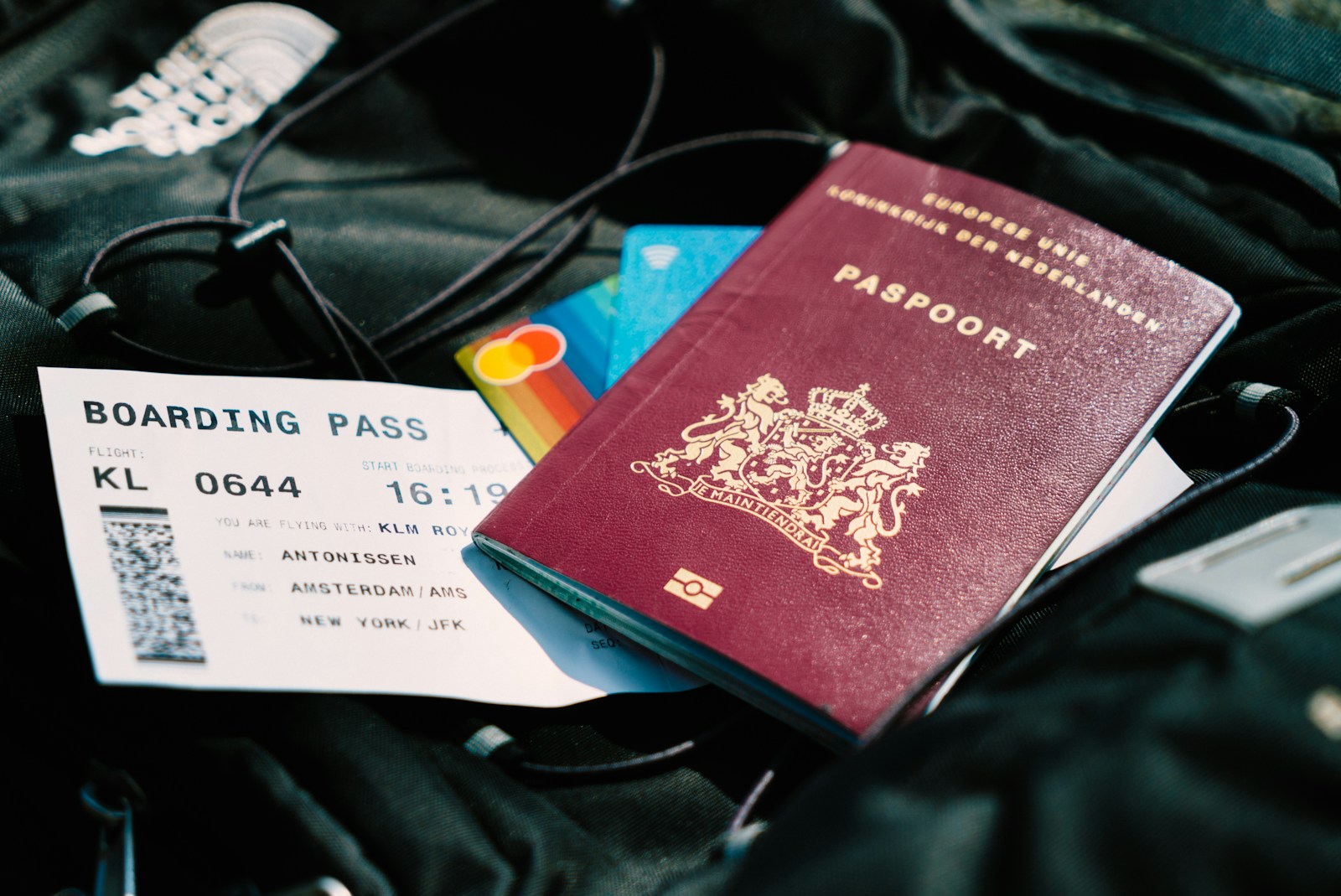
The headline number that most brochures hide is not the IRCC application fee but a “processing” surcharge that lands somewhere between three and seven hundred dollars. That amount can turn a $2,500 plan into a $3,200 nightmare before you even board the plane. The surcharge is tacked on by private sponsors who act as the only gateway for most young travelers. Ignoring it means you’ll either scramble for extra cash mid‑trip or watch your dream job slip away. Understanding who levies it and why is the first step toward a realistic budget.
Who actually adds the $300‑$700 charge?
The Canadian Working Holiday program is technically free; Immigration, Refugees and Citizenship Canada (IRCC) only asks for a processing fee that rarely exceeds $150. Private agencies, however, become the de‑facto gatekeepers because they hold the designated sponsor status required to issue a Work Permit. Those agencies publish a line‑item called “processing” that covers everything from paperwork handling to “administrative overhead.” In practice, the line‑item is a profit margin that varies by agency size, location, and how aggressively they market to university career centers.
Some sponsors justify the extra cost by pointing to the time they spend reviewing passports and drafting the Offer of Employment. The actual paperwork can be completed in under an hour once the applicant supplies a clear scan. The bulk of the fee therefore represents a markup rather than a service that the government demands. When a sponsor advertises a “full‑service package” for $1,200, the official IRCC fees still sit at roughly $150, leaving the remaining $1,050 as the agency’s discretionary earnings.
What does “processing” really cover in sponsor quotes?
A typical quote breaks down into three rows: government fee, sponsor processing, and optional extras. The “processing” row is often the largest, presented as a single figure without any sub‑breakdown. Agencies claim the amount funds document verification, secure storage, and a dedicated case manager. In reality, the case manager usually handles dozens of applicants per day using a shared template. The verification step is essentially a visual check that the passport is readable—a task that can be automated with free software.
Because the term “processing” is vague, it also serves as a catch‑all for hidden services. Some sponsors bundle a “mandatory” insurance policy into the same line, while others slip a small tax‑refund assistance fee into the total without separate mention. The lack of itemization makes it impossible to compare offers side‑by‑side unless you request a detailed invoice, which many agencies treat as a negotiating tactic rather than a transparency measure.
How official fees compare to what sponsors bill you
The official cost structure consists of three predictable components: the IRCC processing fee (approximately $150), the biometrics fee (around $85), and the cost of a round‑trip ticket if you apply from outside Canada (variable). Those three items together rarely surpass $300 for most applicants. By contrast, sponsor quotes routinely list a “processing” charge that starts at $300 and can climb to $700 for expedited service or for agencies located in high‑cost cities.
If you add optional extras such as pre‑arranged accommodation, airport pickup, or a “tax‑file‑number assistance” service, the total can easily breach $1,500. The extra $300‑$700 surcharge alone accounts for almost half of that inflated total. When you compare a $400 official cost against a $1,200 sponsor quote, the disparity is not a mystery—it is the profit baked into the “processing” line.
Which add‑ons turn a modest budget into a surprise bill?
Many agencies advertise a “complete package” that includes a one‑night stay in a hostel, a prepaid SIM card, and a guaranteed job placement. Each of those items carries its own price tag, but they are rarely broken out on the invoice. A hostel night might be $30, a SIM card $20, and a placement fee $150, yet the sponsor lumps them under the same processing umbrella. The result is a single figure that looks like a bureaucratic charge but actually covers three separate consumer products.
Another common pitfall is the “tax‑refund guarantee” that promises to retrieve up to 20 % of your earnings after you leave Canada. The service requires a third‑party accountant, and the fee for that assistance ranges from $150 to $250. Because the guarantee is marketed as essential for “completing your experience,” many travelers sign up without questioning its necessity. The hidden tax‑refund cost therefore becomes part of the mysterious processing surcharge.
Action plan: how to verify costs and keep the surcharge honest
1. **Collect three independent quotes** from sponsors that operate in different provinces. Write down each line‑item, especially the processing amount, and ask for a plain‑text breakdown via email. 2. **Cross‑reference the official IRCC fee schedule** on the government website; any number beyond the $150‑$200 range belongs to the sponsor. 3. **Calculate the maximum you’re willing to spend on optional extras** such as housing, insurance, and tax assistance before you compare. Set a hard ceiling of $250 for all non‑government items combined. 4. **Contact the sponsor’s former participants** through university alumni groups or travel forums; ask specifically about the processing charge and whether it includes any bundled services. 5. **Prepare a spreadsheet** that lists: government fees, biometrics, flight estimate, processing surcharge, and each optional extra. Highlight any line that exceeds the ceiling you set in step 3.
Following those actions usually reveals a processing surcharge that sits between $300 and $500 for standard service, with an extra $100‑$200 for expedited handling. If a sponsor quotes $700 for processing, the spreadsheet will flag the amount as an outlier, prompting you to negotiate or switch providers. The extra effort at the planning stage saves you from scrambling for cash once you land in Vancouver or Calgary.
Final checklist before you hand over any cash
- Verify that the quoted processing fee does not include any “mandatory” insurance or accommodation unless you have already decided to use those services.
- Confirm the sponsor’s designated status on the IRCC list; an unlisted sponsor cannot legally issue a Work Permit.
- Request a written receipt that itemizes every charge, and keep a copy for any future dispute.
- Double‑check that the total amount stays below your pre‑set budget ceiling for non‑government expenses.
- Ensure you have a fallback plan—such as a personal bank transfer or a credit card with low foreign‑transaction fees—if the sponsor asks for payment via an unfamiliar platform.
Running through this list one last time before you type your card number can prevent a hidden $500 from appearing on your statement months later.
Keep reading

How to Slash Placement Fees on Your Work‑Travel Visa
Learn the hidden tricks agencies use to inflate placement fees and the concrete steps to negotiate them down. Most guides gloss over the extra costs that can wreck a student’s budget.

Why Paying Visa Fees Abroad Can Cost You Extra
Learn how to avoid surprise surcharges when you pay J‑1 or Working Holiday fees from overseas. Most guides gloss over payment‑gateway traps, leaving students stranded with hidden costs.
Your Passport Must Outlive Your J‑1 by 6 Months—or Your Trip Gets Canceled
We expose the passport‑expiration traps that blow up J‑1 and working‑holiday applications at the last minute. Most guides gloss over the six‑month rule, leaving students stranded with non‑refundable fees.