How J‑1 Students Actually Get Paid: Checks, Cards, and Stubs
Learn the real payment pipeline for J‑1 Summer Work‑Travel, from the sponsor’s payroll card to the dusty paper check. Most guides skim over fees and timing, leaving students surprised by hidden costs.
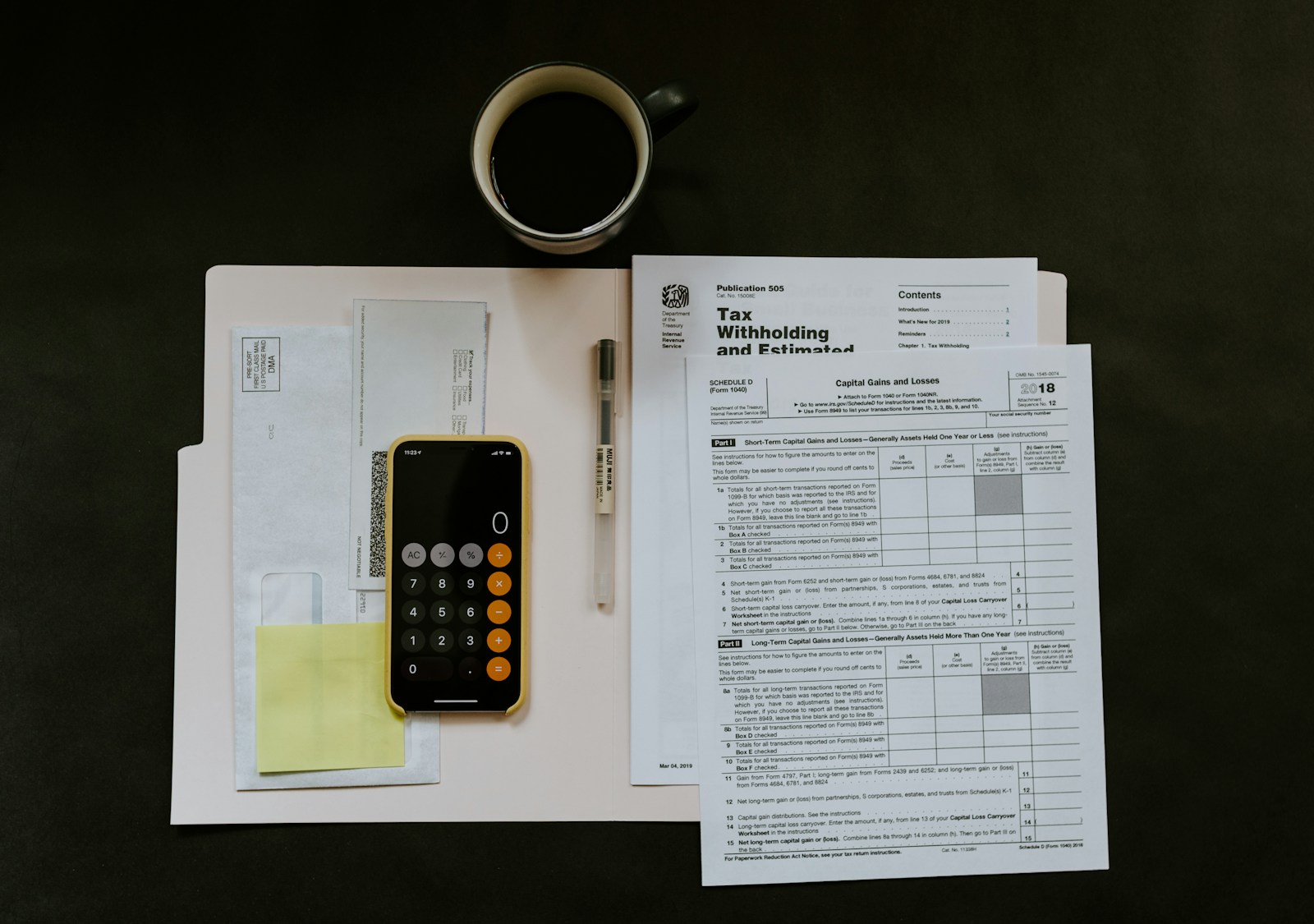
Imagine you land in a Midwestern town, flip your badge, and wait for the first paycheck that will actually cover rent, a bus ticket home, and that cheap sushi you’ve been dreaming about. The excitement evaporates the moment the sponsor emails a PDF that looks like a tax form, a link to a prepaid debit, and a note that “your check will arrive in 2‑3 weeks.” The tension isn’t about the visa itself—it’s about whether the money you were promised will ever show up in a form you can actually use.
Most participants assume the employer will drop a direct‑deposit file into a U.S. bank they’ve never heard of, but the reality is split between three distinct streams. One sponsor still prints paper checks and mails them to the address on the DS‑2019, another pushes a proprietary payroll card that can be frozen with a single text, and a third bundles both into an online portal where you must click “download stub.” Understanding which stream you’re in determines whether you’ll need a U.S. bank account, a foreign‑exchange fee, or an extra $30‑$50 for check‑handling services.
If your program advertises “no hidden fees,” read the fine print on the sponsor’s website. The SEVIS fee alone sits around $350 and is non‑refundable, and many sponsors tack on an “administrative surcharge” that ranges from $200 to $500 depending on how quickly they can generate your DS‑2019. Those numbers appear in the same paragraph as “fast processing,” yet they directly cut into the cash you’ll receive on day one.
Some sponsors still rely on traditional paper checks, especially those located in rural areas where payroll cards have limited acceptance. The check is mailed to the address you supplied on the program form, which can be a university dorm, a temporary Airbnb, or a friend’s mailbox. Expect a delivery window of 10 to 21 days after the employer’s payroll cutoff, and budget an extra $25 to $50 for postage‑plus‑handling if the sponsor uses a courier service instead of standard mail.
When the check finally arrives, you’ll need to cash or deposit it at a bank that accepts non‑resident checks. Many banks charge a flat fee of $10 to $15 for each foreign‑drawn instrument, and they may place a hold of up to five business days before the funds become available. If you lack a Social Security Number, the bank could demand an additional identification document, slowing the process further.
The payroll card option looks sleek on the sponsor’s brochure: a plastic Visa‑type card loaded with your net earnings, ready to swipe at any retailer. In practice, the card often arrives by courier with a PIN mailed separately, and activation can require a call to a toll‑free number that charges international minutes. Activation fees hover between $0 and $10, and each ATM withdrawal usually incurs a $2 to $3 surcharge after the first free transaction each month.
Because the card is technically a prepaid account, it falls under the same reporting rules as a traditional bank account for tax purposes. The sponsor will issue a 1099‑NEC (or a W‑2 if you’re classified as an employee) that reflects the gross wages before the card’s service fees are deducted. Those deductions, which can total $5 to $15 per month, do not reduce your taxable income, so you’ll see a higher figure on the form than the balance on the card.
A pay stub may appear as a PDF attachment in the same portal that hosts the payroll card dashboard, but the layout varies wildly. Some sponsors provide a line‑item breakdown that lists federal tax withholding (typically 10‑15% of gross pay), state tax (if applicable), and the mandatory 6.2% Social Security and 1.45% Medicare deductions. Others compress everything into a single “total deductions” figure, forcing you to estimate the individual components when you file your tax return.
Without a clear stub, the IRS may flag your return for “unexplained wages,” especially if you claim the standard deduction for a non‑resident alien and the numbers don’t line up. The safest route is to download the stub each pay period, keep a printed copy, and cross‑reference it with the year‑end tax document the sponsor promises to email by January 31. Failure to reconcile these two sources can cost you a refund delay of several weeks.
First, create a spreadsheet that tracks every incoming payment, the method used, and any associated fees. Include columns for “check postage,” “card activation,” “ATM withdrawal,” and “bank hold.” This habit reveals patterns—if you’re paying $30 in fees each month for card use, switching to a U.S. checking account (which many banks open for students with a passport and ITIN) may save you $60 over the program’s typical eight‑week span.
Second, allocate a buffer of $200 to $400 for unexpected expenses such as a lost check, a frozen card, or a tax‑preparation service that charges $100 to $250 for non‑resident filings. Most participants underestimate this cushion, assuming the sponsor’s payroll system is flawless, and end up scrambling for cash at the end of the program.
Third, set reminders for three critical dates: the employer’s payroll cutoff (usually the 15th of each month), the sponsor’s stub release deadline (often the 20th), and the IRS filing deadline for non‑resident returns (April 15 of the following year). Hitting these marks on time prevents late‑payment penalties and ensures you receive any refundable tax portion, which can range from $100 to $300 depending on your earnings and withheld amount.
Before you hand over any money to a sponsor, verify that the fee schedule on their website matches the invoice you receive. Look for hidden line items such as “document processing,” “wire transfer,” or “expedited DS‑2019” that can add $50 to $150 without explicit warning. Cross‑check the sponsor’s accreditation on the Department of State’s Exchange Visitor Program list to avoid rogue operators that disappear after you’ve paid.
Never sign a contract that requires you to purchase housing through a “partner” unless you have received a written receipt and a separate agreement that outlines cancellation terms. Some agencies bundle housing with a “placement fee” that can be as high as $800, and they rarely refund it if the accommodation fails to meet basic safety standards.
If you notice any discrepancy between the amount shown on your payroll card dashboard and the figure on your pay stub, contact the sponsor’s payroll department immediately and request a written clarification. Document the exchange via email, because verbal promises often evaporate once the program ends and the sponsor’s office closes for the summer.
Keep reading

Stop Losing 20‑30% of Your J‑1 Refund to Tax Services
Learn how the majority of J‑1 tax‑refund guides skip the hidden fees that eat your money. This article shows the exact steps to claim the full amount yourself.
How Hidden Fees Can Eat Up 30% of Your J‑1 Summer Pay
You’ll learn which fees actually belong on your J‑1 invoice and which are hidden mark‑ups that can shave a third off your earnings. Most guides gloss over these costs, so you’ll see the exact line items to watch for and how to avoid paying them.

Why Your J‑1 Employer’s FICA “Exemption” Can Cost You
Learn how the so‑called FICA exemption on J‑1 contracts is routinely botched by employers. Most guides skip the payroll details that turn a “free” claim into a hefty tax bill.