How Hidden Fees Can Eat Up 30% of Your J‑1 Summer Pay
You’ll learn which fees actually belong on your J‑1 invoice and which are hidden mark‑ups that can shave a third off your earnings. Most guides gloss over these costs, so you’ll see the exact line items to watch for and how to avoid paying them.
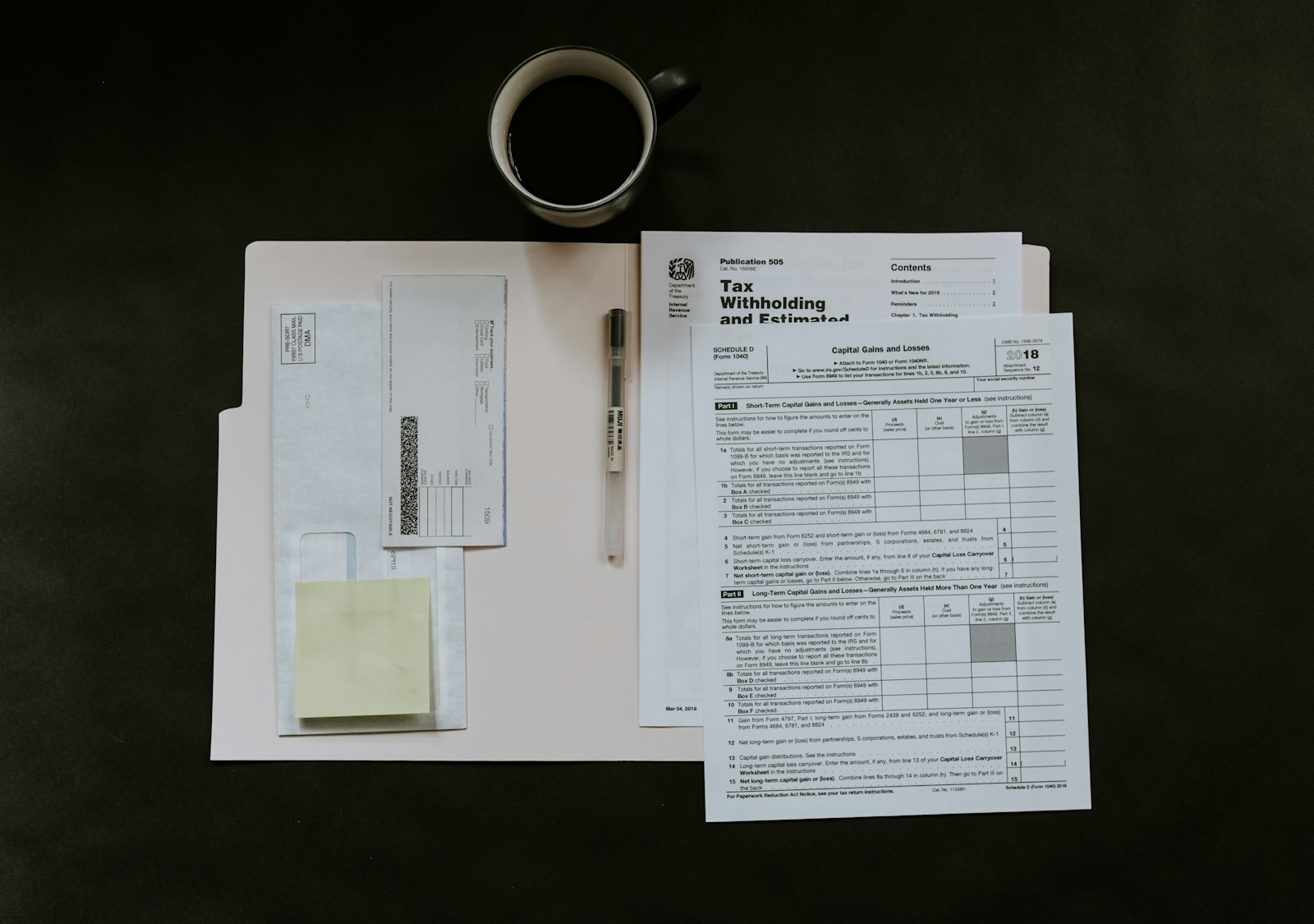
Imagine you land a summer job in Seattle, clock 30 hours a week, and watch the first deposit shrink as a cascade of fees slides into your account before you even buy a coffee. Between agency placement costs, international wire charges, and premature tax‑withholding services, the net cash you can send home can tumble by 30 % or more.
Most guides skip the line‑item that looks like a “service charge” on the sponsor invoice, yet it can range from $150 to $1,200 depending on how aggressive the placement firm is. Add to that a “housing guarantee” fee that often duplicates the rent you’ll pay, and you’re staring at a bill that rivals your gross salary.
Even when the DS‑2019 itself is free, agencies bundle a “processing surcharge” that mirrors the cost of a cheap coffee and a “document courier” fee that disappears into a black‑hole of overseas mailing services. The total extra charge often lands between $300 and $800, a chunk that most students overlook until the final invoice arrives.
The SEVIS I‑901 fee sits at a flat $220 for J‑1 participants, and the U.S. Department of State adds a $160 non‑refundable visa application charge that appears on the DS‑160 confirmation page. Those two numbers are the only mandatory government costs; everything else is an add‑on that varies by sponsor or service provider.
A consular interview usually carries a $160 service fee that is collected when you schedule the appointment online, and some embassies request an extra $20‑$30 “document handling” charge that appears only after you upload your passport scan. Neither of these fees is refundable, so budgeting for them early prevents surprise deductions from your first paycheck.
When a sponsor claims that the DS‑2019 “includes insurance” but fails to list the actual premium, students often discover a hidden $100‑$250 health coverage cost buried in the fine print. The same document may also list a “USCIS filing” line item that duplicates the $35 fee you already paid through the I‑901 portal.
Some firms justify the extra $200‑$500 markup by citing “personalized job matching” even though the matching algorithm is identical to the free portal offered by the Department of State. In practice, the service rarely goes beyond forwarding a PDF list of available positions, leaving you to chase employers on your own.
In most J‑1 programs the employer withholds 30 % of each paycheck for federal tax unless you submit a valid W‑8BEN form, and many students never file the form because the sponsor’s onboarding portal hides it behind a “payroll setup” checkbox. The result is a quarterly statement that shows a net income far lower than the advertised hourly rate.
Because a handful of “tax refund” companies charge a flat $150‑$250 plus a percentage of any return, they lure students who expect a large refund after the 1042‑S filing deadline. The reality is that most J‑1 earners qualify for a modest credit, and the extra service fee can eclipse the actual refund by a factor of two.
First, compare the cost of a direct bank wire, a money‑transfer app, and a peer‑to‑peer service that uses the local banking network; wires can chew up $30‑$45 per transaction, while apps like Wise or Revolut often stay under $10 for the same amount. Recording the exact fee before you click ‘send’ prevents the surprise that usually shows up on your bank statement days later.
Second, open a local checking account as soon as you receive your Social Security Number; many banks waive the monthly fee for students and provide free ACH transfers that bypass the high cost of international wires. Bring a copy of your DS‑2019 and a proof‑of‑address document, and you’ll avoid the $25‑$40 activation charge some “expat” banks demand.
Third, file your own 1042‑S using the free IRS “Free File” portal or a low‑cost software that charges only a nominal filing fee; the average DIY cost sits between $0 and $30, dramatically lower than the $150‑$250 quoted by third‑party refund services. Keep copies of your pay stubs and the sponsor’s year‑end statement, because the IRS will request them if they flag your return for review.
Before you sign any invoice, verify that the line‑item descriptions match a receipt you actually received, and cross‑check the amount against the sponsor’s published fee schedule on their official website. Ask for a written breakdown that lists each charge separately, because vague totals are a common tactic used to obscure inflated costs.
If the sponsor insists on receiving payment via a prepaid debit card or a cash‑only drop‑off, walk away; legitimate programs accept bank transfers, credit cards, or checks that leave a paper trail. A quick internet search of the payment method plus the sponsor’s name will often reveal complaints from previous participants who lost money that never resurfaced.
Keep reading
Stop Losing 20‑30% of Your J‑1 Refund to Tax Services
Learn how the majority of J‑1 tax‑refund guides skip the hidden fees that eat your money. This article shows the exact steps to claim the full amount yourself.
Why Your J‑1 Employer’s FICA “Exemption” Can Cost You
Learn how the so‑called FICA exemption on J‑1 contracts is routinely botched by employers. Most guides skip the payroll details that turn a “free” claim into a hefty tax bill.
Lost on a working holiday? Sue in small claims
Learn how to turn a wage‑theft nightmare into a small‑claims victory and why most guides skip the gritty details. Most students never hear about the actual costs and paperwork until they’re already broke.