221(g) Hold-Up: How a 2‑Month Wait Can Drain Your Budget
Learn what a 221(g) administrative processing notice really means for your J‑1 Work‑and‑Travel timeline and budget. Most guides gloss over hidden costs and timeline volatility, leaving students stranded.
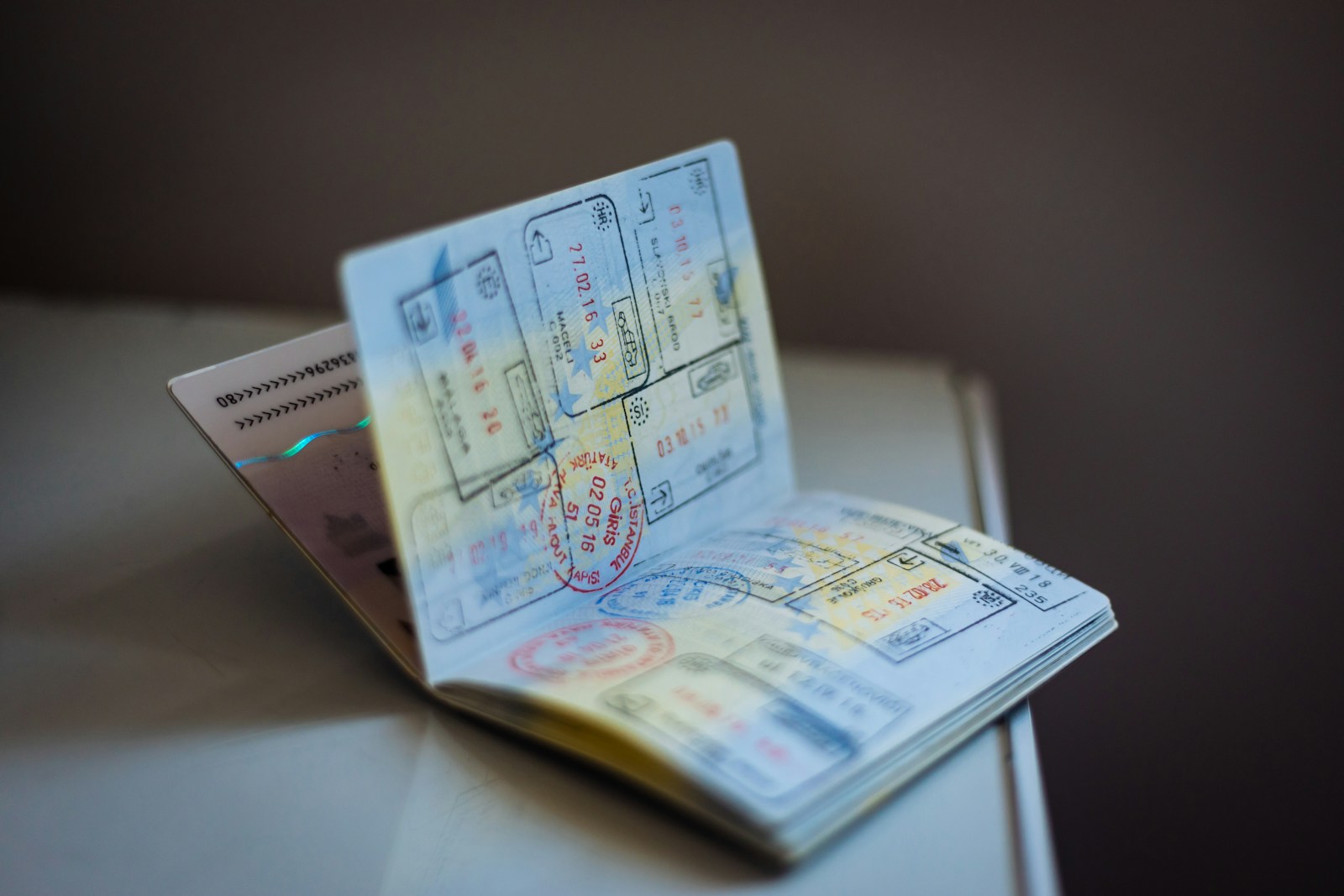
You’ve just paid the SEVIS fee, booked a $150‑$200 embassy slot, and booked a cheap flight to the U.S. for the summer. The next morning a slip of paper with a cryptic “221(g)” stamp lands in your inbox, and suddenly the whole budget you built around a six‑week program looks like a house of cards. One misstep during this limbo can cost you extra housing, a missed paycheck, or a non‑refundable ticket.
The 221(g) stamp isn’t a secret code; it’s a bureaucratic catch‑all that lets consular officers push a case back into the system without giving a detailed reason. The notation appears on the visa foil, on the DS‑160 confirmation page, and in the email you receive after the interview. Its presence tells you that the embassy needs more time, not that you’ve failed the interview.
Most applicants assume the note means a simple document request, like a missing transcript or an unsigned sponsor agreement. That misconception leads many to pause their plans, think the problem is solved with a quick email, and then stare at an empty inbox for weeks.
In reality, officers can invoke the clause for anything from a missing birth certificate to a vague security flag that only shows up after a background algorithm flags your name. The lack of specificity is intentional, allowing the State Department to keep the exact trigger under wraps.
Once the officer hands you the slip, your case disappears into a black‑box queue that no applicant can monitor directly. The embassy logs the case, forwards it to a central processing hub, and the status on the CEAC portal switches from “Issued” to “Administrative Processing.”
During that period the Department of State runs background checks that can ping databases in three continents, cross‑referencing your name with immigration records, academic publications, and even social‑media footprints. Each additional lookup adds another 24‑ to 48‑hour cycle to the overall timeline.
If a secondary interview is required, the embassy will email you a new appointment link that often lands in the spam folder, forcing you to hunt through junk mail while the clock keeps ticking. Missing that email can add another week before you even have a chance to respond.
Official guidance says most 221(g) cases resolve within 60 days, but the actual median sits closer to 45 days for straightforward paperwork. Those numbers come from aggregated reports on travel forums and are far from a guarantee.
Complex security clears can stretch beyond the 90‑day mark, especially for students whose majors intersect with sensitive technologies like aerospace or cybersecurity. In those instances, the State Department may involve other agencies, each adding its own processing window.
Seasonal spikes during June–August push the average wait time up by another two weeks as consulates juggle thousands of summer‑program applications, and the backlog can double in high‑volume years. Planning your interview for the early spring window can shave days off the total.
While you stare at that blank email inbox, your housing broker may start charging a “hold fee” that ranges from $100 to $400 just to keep a room reserved while you wait. Those fees are rarely refundable if the visa never materializes.
Be wary of sponsors who promise a fast‑track DS‑2019 for a fee that sounds too good to be true; they typically charge $250‑$500 and claim their paperwork will bypass the 221(g) snag, but the consulate’s rules apply uniformly regardless of who issued the form.
Bank accounts opened for overseas payroll often incur a $30‑$60 foreign‑transaction surcharge that only appears after the visa finally arrives, and the charge can be levied each time your employer converts dollars to your home currency. Those hidden costs add up quickly if you’re on a shoestring budget.
Step 1: Build a cash buffer of at least $800 to cover unexpected housing deposits, extra sponsor invoices, and last‑minute flight changes. Keep the money in a high‑yield savings account so you can access it instantly without penalty.
Step 2: Track the case status on the CEAC portal at least twice a week; each refresh can expose a newly uploaded document request that you can answer within 24 hours, potentially shortening the hold by a few days.
Step 3: Keep a copy of every email you send, because consulates sometimes request the same proof twice and will reject anything that isn’t a PDF attachment. Having a tidy archive lets you resend the exact file without digging through old drafts.
Before you sign any new contract, verify that the sponsor’s tax‑refund guarantee is backed by a reputable financial institution, not a personal PayPal account. A bogus guarantee can leave you clawing back money you thought was secured.
Cross‑check the embassy’s posted fee schedule against the amount you were asked to pay; any deviation over $20 should trigger a second opinion from your university’s international office. Hidden processing surcharges have sunk many students into debt before they even left home.
Finally, confirm that the airline you booked offers a free change window of at least 48 hours; otherwise a delayed visa could lock you into a non‑refundable ticket and force you to absorb the loss. Some carriers provide a “flex” fare for an extra $30‑$60 that can save you far more if the 221(g) drags on.
---
Keep reading
Processing Surcharge That Can Derail a Canadian Holiday
You’ll learn why a mysterious $300‑$700 markup appears on most sponsor quotes and how it inflates your budget. Most guides skip this detail, leaving you vulnerable to surprise costs.

How to Slash Placement Fees on Your Work‑Travel Visa
Learn the hidden tricks agencies use to inflate placement fees and the concrete steps to negotiate them down. Most guides gloss over the extra costs that can wreck a student’s budget.

Why Paying Visa Fees Abroad Can Cost You Extra
Learn how to avoid surprise surcharges when you pay J‑1 or Working Holiday fees from overseas. Most guides gloss over payment‑gateway traps, leaving students stranded with hidden costs.